'From Struggles to Success' by Emmanuel Nsutebu Now on Sale in the WSD Shop

The consequences of delayed diagnosis and treatment of sepsis can be devastating for patients, their loved ones, and healthcare workers. Mismanagement of sepsis leads to unavoidable harm and can cause reputational damage to any healthcare facility.

Sepsis improvement initiatives are often initiated after a major patient safety incident or crisis. In addition, sepsis improvement can feel like a struggle. However, struggles are gifts and can be used to bring about significant change and success. If you have been affected by sepsis or trying to bring about improvements in care, is it possible to emerge from your darkest moments into a bright and better future for yourself and others? The answer is yes!

In this groundbreaking book, Dr. Emmanuel Nsutebu shows that these are all possible. Tragedy struck when his close friend passed away due to sepsis (uncontrolled and undiagnosed infection) following a minor hospital procedure. He uses the story of this crisis to describe his subsequent work which has led to life-saving changes to sepsis recognition and management in the UK and Africa.

You will learn Dr. Emmanuel’s Five-Step Model for turning struggles into success. Everybody can learn this essential skill, and the more you practice the better you will become. Dr. Emmanuel’s Five Step model can be used successfully by individuals, teams, or large organizations. Everybody and indeed every leader needs this skill.

The proceeds from the sale of this book via our website will be used to support the work of the African Sepsis Alliance. Everybody in Africa deserves a chance to survive sepsis.

Take a Look At the Book
Marvin Zick
Celebrating 10 Years of World Sepsis Day – Join Us for 'Making Sepsis a National and Global Health Priority'

On September 16, 2022, the Global Sepsis Alliance and the Sepsis Stiftung will join forces to host a unique event celebrating a decade of World Sepsis Day – both in person in Berlin, as well as live streamed on the event website.

Following a scientific symposium with renowned speakers from all over the world and an international best-practices panel, we will celebrate the achievements of the past 10 years, present the Global Sepsis Awards, and conclude this unique World Sepsis Day event with a fundraising dinner, featuring international artists who share our commitment to the vision of “A World Free of Sepsis”.

We are excited to welcome you to Berlin in person in September or see you on the free live stream for the symposium and the best-practices panel.

Program, Speakers, Registration, and Tickets
Marvin Zick
Registrations Now Open for the 2022 WSC Spotlight on April 27, 2022

Today, our friends and colleagues from the Global Sepsis Alliance are thrilled to officially announce the WSC Spotlight: Novel Therapeutic and Diagnostic Approaches for COVID-19 and Sepsis, taking place live, free of charge, and completely online on April 27, 2022.

Over the course of 8 distinctive and highly relevant sessions, 40 speakers from all regions of the world will share the newest therapeutic and diagnostic approaches for COVID-19 and sepsis, covering all novel aspects of our understanding of bacterial and viral sepsis, from new methods of diagnosis and risk assessment to novel treatment modalities, and beyond.

Like our previous World Sepsis Congresses in 2016, 2018, and 2021 and WSC Spotlights in 2017 and 2020, this free online congress brings together highly ranked representatives of international and national healthcare authorities, non-governmental organizations, policymakers, patients, patient advocacy groups, clinical scientists, researchers, and pioneers in healthcare improvement.

Free Registration
Congress Website
View Program
Simone Mancini
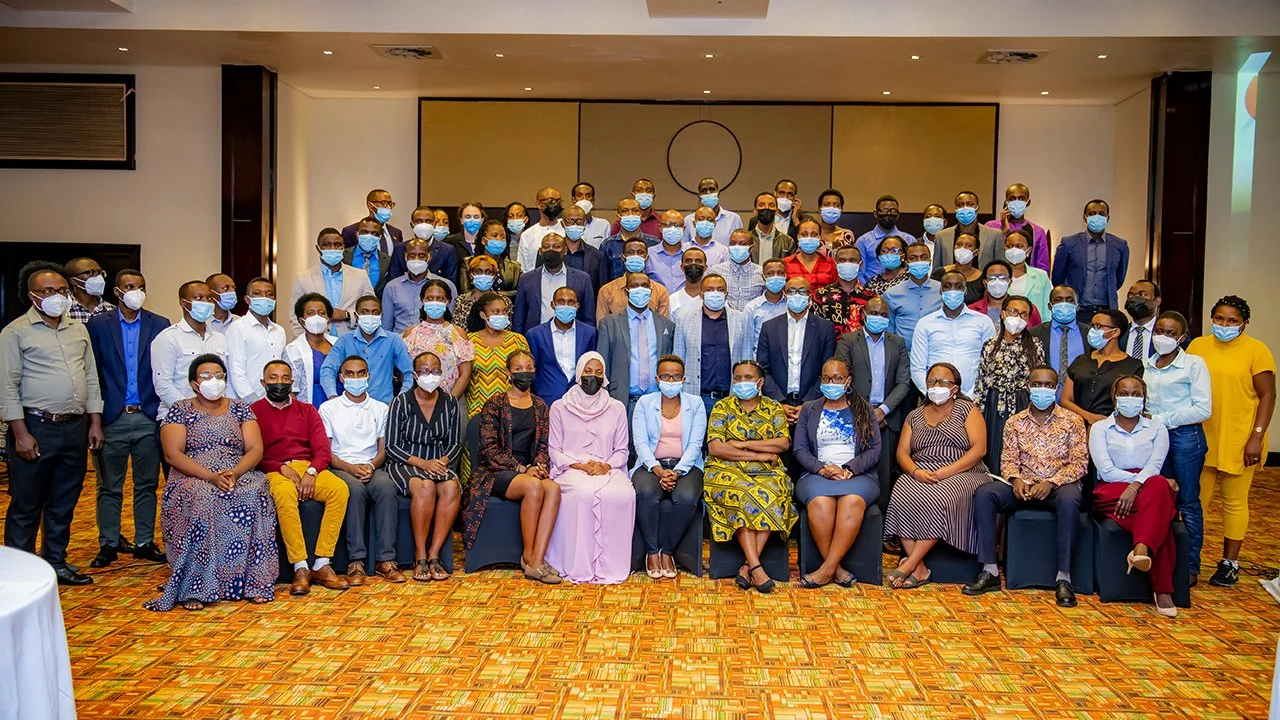
RECA launches the Rwanda Sepsis Alliance

RSA executives, from left to right: Dr Menelas Nkeshimana (Secretary General), RN Christine Uwineza (Deputy Communication and membership officer), Dr Aurea Nyiraneza (Communication and membership officer), Dr Evariste Mushuru (Chair), Dr Emmanuel Nsutebu (ASA Chair and RSA advisory Board member), Dr Aimee Nyiramahirwe (Deputy Director of Finances), Dr Jean Paul Mvukiyehe (Vice Chair), Dr Vincent Ndebwanimana (Deputy Executive Director), Dr Hippolyte Muhire Bwiza (Executive Director).

On 27 October, at a conference in Kigali organised in the context of the Sepsis 2021 Symposium, the Rwanda Emergency Care Association (RECA) launched the Rwanda Sepsis Alliance (RSA) with the aim to respond to the need of reducing the burden of sepsis in the country. Despite significant improvements in Rwanda’s health system and efforts made by the Government of Rwanda mainly through the Ministry of Health (MoH) in improving the healthcare system, sepsis still claims many lives in Rwanda.

RSA plans to achieve its mission trough the promotion of research, education and training, organizing sepsis awareness campaigns targeting healthcare professionals and lay people, supporting antibiotic stewardship programs and advocating to invest and build necessary infrastructures for improving sepsis prevention, diagnosis and treatment.

The ASA will closely collaborate with and support the RSA and we are looking forward to contributing to improve sepsis awareness and treatment in Rwanda. Read the Kigali declaration announcing the RSA below.

Read the Kigali Declaration
Simone Mancini
New Sepsis Awareness Video by the African Sepsis Alliance

Sepsis is a significant cause of illness and the most preventable cause of death in Africa. Everybody in Africa deserves to be able to survive sepsis. This can only be achieved by involving and educating the public. This video explains what sepsis is and features our patron Roger Milla requesting that we all learn about sepsis and save lives in Africa.

Download Video (13 MB)
Marvin Zick
Sign Up Now – Sepsis 2021: Rethinking Sepsis in Resource-Constrained Settings: The Viewpoint from Africa – October 28-29

Registrations for “Sepsis 2021: Rethinking Sepsis in Resource-Constrained Settings: The Viewpoint from Africa” are now open.

Register Now (Free)
Download Program (PDF)

The Sepsis 2021 Symposium is co-hosted by the International Sepsis Forum, the African Sepsis Alliance, and the Rwandan Emergency Care Association. Over two days, it will address the diagnosis, epidemiology, science, and clinical management of sepsis, taking into account both the situation in low and middle-income countries (LMIC) as well as the current COVID-19 situation.

This conference will be mostly virtual and focus on sepsis care worldwide, but especially care in LMICs.

It will also provide a unique opportunity to hear from and engage with international and African thought leaders from the fields of critical care, infectious diseases, internal medicine, and emergency medicine, who have extensive expertise in the clinical care, science, and investigation of sepsis and the host response, and in the design, implementation, and interpretation of clinical trials evaluating the efficacy of sepsis treatments. The current COVID-19 pandemic and its impact on sepsis will also be discussed.

Sepsis 2021 will be held 28-29 October, and we invite you to join us for this annual event.

Marvin Zick
World Sepsis Day 2021: Inspiration, Ideas, and Resources for the Perfect WSD Event on September 13
WSD_Sport_Event_2019_169.jpg

The 10th World Sepsis Day is less than 3 months away! The African Sepsis Alliance encourages you to participate and raise awareness for sepsis on September 13 – ideas and inspiration to host the perfect event are available on the World Sepsis Day website…

Inspiration, Ideas, and Resources for World Sepsis Day 2021
Marvin Zick
Virtual Sepsis 2021 – October 28-29 – A Joint Meeting with ISF, ASA, and RECA
Reca Banner.jpg

The Sepsis 2021 Symposium, co-hosted by the International Sepsis Forum, the African Sepsis Alliance, and the Rwandan Emergency Care Association, will address the diagnosis, epidemiology, science, and clinical management of sepsis including that in low and middle-income countries and the current COVID-19 situation.

This conference will be mostly virtual and focus on sepsis care worldwide especially care in low- and middle-income countries (LMIC).

It will also provide a unique opportunity to hear from and engage with international and African thought leaders from the fields of critical care, infectious diseases, internal medicine, and emergency medicine, who have extensive expertise in the clinical care, science, and investigation of sepsis and the host response, and in the design, implementation, and interpretation of clinical trials evaluating the efficacy of sepsis treatments. The current COVID-19 pandemic and impact on sepsis will also be discussed.

The Sepsis 2021 will be held 28-29 October, and we invite you to join us for this annual event.

More Info & Registration
Download Program (PDF)
Marvin Zick
ASA Calls for Action by National and Regional Authorities on Delivering Sepsis Plans
ASA COVID Banner.jpg

The African continent has so far registered a relatively controlled burden of COVID-19. One reason could lie in the low average age in the continent, as it is well known that COVID-19 related risk and comorbidities raise with the age. The limited test capacity could also play a role.

Despite the uncertainty about the burden of the pandemic in Africa, studies have shown that sepsis is definitely contributing to it. Either caused directly by the SARS-CoV-2 or by secondary bacterial infections, sepsis is a recurrent manifestation of COVID-19 in about 5% of cases.

Those patients require critical care, but in Africa, the health system response is hampered by its limited capacity (there are fewer than 2,000 functioning ventilators).

The African Sepsis Alliance calls for national Ministries of Health, with the support of stakeholders such as the Global Sepsis Alliance, CDC Africa, the African Union, and WHO national action to deliver plans for sepsis that systematically address a country’s specific needs for delivering care for severely ill patients.

Read call for action
Simone Mancini
Pacific Northwest Sepsis Conference – May 3-4, 2021 – Scholarships Available
Sepsis Conference Insta.jpg

On May 3rd and 4th, 2021, the Pacific Northwest Sepsis Conference will bring high-quality sepsis education to an international community of people interested in improving sepsis care and outcomes.

This year, the conference was redesigned to take place virtually and is therefore addressing the burden of sepsis on a global scale. In addition to faculty who are experts in global sepsis care, there will also be traditional sepsis content with breakout sessions for QI professionals, rural health care providers, and bedside champions in pediatrics, acute care, critical care, emergency care, and maternal/neonatal care.

The Washington State Hospital Association and Pacific Northwest Sepsis Conference Planning Committee are committed to hosting a diverse and inclusive group of learners. They are offering a generous number of scholarships for international attendees from specific countries (list here) as well as traditional scholarships.

Applications for the scholarship are available here. The application deadline is April 20, 2021, and applicants will be notified and given a code to register by April 25, 2021.

If you seek a scholarship and are not practicing in one of the countries on the list, please apply for a Traditional Scholarship (deadline March 12, 2021) or email Rosemary Grant.

International Scholarship
Program & Sign Up
Traditional Scholarship
Marvin Zick
Announcing World Sepsis Congress 2021 – Online, Free, and Live on April 21st and 22nd, 2021
WSC_2021_Banner.jpg

Today, the Global Sepsis Alliance has announced the ‘World Sepsis Congress 2021 - Advancing Prevention, Survival, and Survivorship of Sepsis and COVID-19’, taking place live, free of charge, and completely online on April 21st and 22nd, 2021.

Over the course of two days and 15 diverse and highly relevant sessions, over 90 speakers from more than 30 countries will give trenchant talks on all aspects of sepsis, from the impact of policy, the role of artificial intelligence and big data, patient safety, and long-term sequelae through to novel trial design, the latest research, and much more. We will give equal voice to clinicians and researchers, patients and caregivers, and policymakers; as well as to those working, living, and driving change in high-income and in low- and middle-income countries.

Just as with the previous World Sepsis Congresses in 2016 and 2018 and WSC Spotlights in 2017 and 2020, this free online congress brings together highly ranked representatives of international and national healthcare authorities, non-governmental organizations, policymakers, patients, patient advocacy groups, clinical scientists, researchers, and pioneers in healthcare improvement.

Sign up Now
View Program
Congress Website
Simone Mancini
The African Sepsis Alliance Supports the John Snow Memorandum
together2_orig.jpg

The African Sepsis Alliance supports the John Snow* Memorandum. This Memorandum is a collaborative and inclusive initiative to protect public health in this COVID-19 pandemic and the work of a group of international researchers with expertise spanning public health, epidemiology, medicine, pediatrics, sociology, virology, infectious disease, health systems, psychology, psychiatry, health policy, and mathematical modeling. Said group felt moved to deliver a clear and simple message about how best to manage the COVID-19 pandemic.


Sign the John Snow Memorandum
Original Publication In The Lancet

THE JOHN SNOW MEMORANDUM

Severe acute respiratory syndrome coronavirus 2 (SARS-CoV-2) has infected more than 35 million people globally, with more than 1 million deaths recorded by the World Health Organization as of Oct 12, 2020. As a second wave of COVID-19 affects Europe, and with winter approaching, we need clear communication about the risks posed by COVID-19 and effective strategies to combat them. Here, we share our view of the current evidence-based consensus on COVID-19.

SARS-CoV-2 spreads through contact (via larger droplets and aerosols), and longer-range transmission via aerosols, especially in conditions where ventilation is poor. Its high infectivity(1) combined with the susceptibility of unexposed populations to a new virus, creates conditions for rapid community spread. The infection fatality rate of COVID-19 is several-fold higher than that of seasonal influenza(2) and infection can lead to persisting illness, including in young, previously healthy people (ie, long COVID(3)). It is unclear how long protective immunity lasts(4) and, like other seasonal coronaviruses, SARS-CoV-2 is capable of re-infecting people who have already had the disease, but the frequency of re-infection is unknown(5). Transmission of the virus can be mitigated through physical distancing, use of face coverings, hand and respiratory hygiene, and by avoiding crowds and poorly ventilated spaces. Rapid testing, contact tracing, and isolation are also critical to controlling transmission. The World Health Organization has been advocating for these measures since early in the pandemic.

In the initial phase of the pandemic, many countries instituted lockdowns (general population restrictions, including orders to stay at home and work from home) to slow the rapid spread of the virus. This was essential to reduce mortality(6),(7) prevent health-care services from being overwhelmed, and buy time to set up pandemic response systems to suppress transmission following lockdown. Although lockdowns have been disruptive, substantially affecting mental and physical health, and harming the economy, these effects have often been worse in countries that were not able to use the time during and after lockdown to establish effective pandemic control systems. In the absence of adequate provisions to manage the pandemic and its societal impacts, these countries have faced continuing restrictions.

This has understandably led to widespread demoralisation and diminishing trust. The arrival of a second wave and the realisation of the challenges ahead has led to renewed interest in a so-called herd immunity approach, which suggests allowing a large uncontrolled outbreak in the low-risk population while protecting the vulnerable. Proponents suggest this would lead to the development of infection-acquired population immunity in the low-risk population, which will eventually protect the vulnerable. This is a dangerous fallacy unsupported by scientific evidence.

Any pandemic management strategy relying upon immunity from natural infections for COVID-19 is flawed. Uncontrolled transmission in younger people risks significant morbidity(3) and mortality across the whole population. In addition to the human cost, this would impact the workforce as a whole and overwhelm the ability of healthcare systems to provide acute and routine care.

Furthermore, there is no evidence for lasting protective immunity to SARS-CoV-2 following natural infection(4) and the endemic transmission that would be the consequence of waning immunity would present a risk to vulnerable populations for the indefinite future. Such a strategy would not end the COVID-19 pandemic but result in recurrent epidemics, as was the case with numerous infectious diseases before the advent of vaccination. It would also place an unacceptable burden on the economy and healthcare workers, many of whom have died from COVID-19 or experienced trauma as a result of having to practise disaster medicine. Additionally, we still do not understand who might suffer from long COVID(3). Defining who is vulnerable is complex, but even if we consider those at risk of severe illness, the proportion of vulnerable people constitute as much as 30% of the population in some regions(8). Prolonged isolation of large swathes of the population is practically impossible and highly unethical. Empirical evidence from many countries shows that it is not feasible to restrict uncontrolled outbreaks to particular sections of society. Such an approach also risks further exacerbating the socioeconomic inequities and structural discriminations already laid bare by the pandemic. Special efforts to protect the most vulnerable are essential but must go hand-in-hand with multi-pronged population-level strategies.

Once again, we face rapidly accelerating increase in COVID-19 cases across much of Europe, the USA, and many other countries across the world. It is critical to act decisively and urgently. Effective measures that suppress and control transmission need to be implemented widely, and they must be supported by financial and social programmes that encourage community responses and address the inequities that have been amplified by the pandemic. Continuing restrictions will probably be required in the short term, to reduce transmission and fix ineffective pandemic response systems, in order to prevent future lockdowns. The purpose of these restrictions is to effectively suppress SARS-CoV-2 infections to low levels that allow rapid detection of localised outbreaks and rapid response through efficient and comprehensive find, test, trace, isolate, and support systems so life can return to near-normal without the need for generalised restrictions. Protecting our economies is inextricably tied to controlling COVID-19. We must protect our workforce and avoid long-term uncertainty.

Japan, Vietnam, and New Zealand, to name a few countries, have shown that robust public health responses can control transmission, allowing life to return to near-normal, and there are many such success stories. The evidence is very clear: controlling community spread of COVID-19 is the best way to protect our societies and economies until safe and effective vaccines and therapeutics arrive within the coming months.

We cannot afford distractions that undermine an effective response; it is essential that we act urgently based on the evidence.

Sign the John Snow Memorandum
Original Publication in The Lancet

*ABOUT JOHN SNOW

John Snow is considered one of the founders of modern epidemiology. He developed the water theory of transmission of cholera. In 1854, he famously persuaded authorities to remove the handle of a water pump to try to curtail transmission of cholera during an outbreak in London. He devoted much of his life to improving public health…

Learn more on Wikipedia
Simone Mancini
World Sepsis Congress Spotlight, 9 September - A Free Online Congress by WHO and GSA
WSC Spotlight Banner.jpg

In just one week, on 9 September, the WHO and the GSA will host the “World Sepsis Congress Spotlight: Sepsis, Pandemics, and Antimicrobial Resistance – Global Health Threats of the 21st Century”. This free online congress is a great opportunity to connect to and learn from over 30 high level speakers and leading experts from around the globe.

The African Sepsis Alliance is excited to support the event and invites you to attend. Participation is free of charge and can be done from wherever you have an internet connection. To register and to find out more about the program, speakers, time zones, and much more, please visit wscspotlight.org.

Visit congress website
Simone Mancini
In COVID-19 Pandemic, People Are Dying of Sepsis, Says GSA Executive Committee Member Professor Flavia Machado at Interview With Jama Network
Machado+Banner.png

GSA Executive Committee member Prof. Flavia Machado was interviewed by the JAMA Network  on "Coronavirus in Brazil - Report From The Front Lines".

The interview provides a very insightful overview on how Brazil is tackling the pandemic, the efficiency of treatments, and solutions adopted by hospitals to respond to the crisis. Interestingly, Prof. Machado confirmed that in most cases people are dying from refractory septic shock rather than refractory hypoxemia.

Besides, she noted that the usual differences between high (HICs) - and low- and middle-income countries (LMICs), where 85% of sepsis cases occur, are not so visible with COVID-19, in fact, the most affected countries are HICs. 

Prof. Machado is chair of the intensive care session of Anesthesiology, Pain and Intensive Care Department at the Federal University of São Paulo, Brazil, and CEO of the Latin America Sepsis Institute (LASI). 

Watch the interview on youtube
Simone Mancini
Update: Can COVID-19 Cause Sepsis? Explaining the Relationship Between the Coronavirus Disease and Sepsis
Corona banner.jpg

The rapid global spread of the novel coronavirus SARS-CoV-2 has caused societal, economic, and medical upheaval not seen since the 1918 influenza pandemic. As of April 7th, the World Health Organization has confirmed cases in 203 countries, areas or territories, with over 1.2 million confirmed cases and over 65,000 deaths.  Further, many experts believe these numbers to be a gross underestimate for a variety of reasons, including inadequate testing capacity and suboptimal reporting of cases. Despite extensive modeling by epidemiologists all over the world, it is not possible to accurately predict the course and duration of this pandemic. It is important that we continue to obtain objective data on which we base recommendations. A calm and rational approach from both society and individuals is necessary during these uncertain times.

There remains considerable confusion regarding the differences between seasonal influenza and COVID-19 (the illness caused by SARS-CoV-2). While both viruses are capable of causing severe illness and can spread rapidly, it appears that SARS-CoV-2 is a more deadly pathogen on a case-by-case basis, can be spread during the asymptomatic phase, and is capable of much more rapid spread. The higher burden and mortality may be attributed to the fact that SARS-CoV-2 is a “newly emerged” virus, and consequently, there is very little innate immunity to it among humans, unlike with influenza where both prior infection and annual vaccination can provide protection. Overall, however, the sheer contagiousness of this new virus has led to the high morbidity and mortality seen globally – simply put, healthcare systems have been unable to cope with the number of infected persons seeking care. Indeed, a proportion of the reported deaths are due to overwhelmed medical systems rather than the virulence of COVID-19. This is a crucial factor explaining the “flatten the curve” strategy adopted by many countries. 

Now that more scientific data are available on COVID-19, the African Sepsis Alliance can more definitively state that COVID-19 does indeed cause sepsis. Sepsis is “a life-threatening organ dysfunction caused by a dysregulated host response to infection.” In the case of COVID-19, the effects on the respiratory system are well-known, with most people requiring hospital admission developing pneumonia of varying severity; however, virtually all other organ systems can be affected. This is consistent with a combination of direct viral invasion and sepsis. For example, in a recently published case series of severe COVID-19 cases from the Seattle area in the United States, over 30% had evidence of liver injury and 75% had evidence of a depressed immune response1; another series from the same region reported acute kidney failure in almost 20% of affected patients requiring ICU care 2, and both series reported septic shock severe enough to require drugs to support the heart and circulation in almost 70% of patients. A recent study from China reported that in patients hospitalized with COVID-19, 28% had evidence of significant heart damage (potentially from direct invasion of cardiac muscle by the virus), resulting in heart failure and abnormal heart rhythms – this damage was associated with a five-fold increase in the risk of death3. As there are no proven therapies effective against the virus itself, it is apparent that the best COVID-19 care includes good sepsis care.

Effective and safe treatments for COVID-19 are urgently being sought by scientists across the world. Although it is hoped that the first batches of a COVID-19 vaccine will begin to be tested in humans in April 20204, large-scale distribution of a viable vaccine may still be a year or more away. Treatment trials are underway with antiviral agents such as Lopinavir/ritonavir (LPV/r), Hydroxychloroquine (HCG), Hydroxychloroquine plus azithromycin, Favipiravir (FPV), Remdesivir (RDV), and with immunomodulators such as Tocilizumab, the anti-C5a antibody IFX-1, and Intravenous Immunoglobulin (IVIG). In addition, potential treatment with convalescent serum is being attempted and trialed.

However, despite these efforts, presently there are no specific treatments for COVID-19. As such, the African Sepsis Alliance continues to strongly advocate for strict adherence to the basic protective measures recommended by the WHO – handwashing, maintaining social distancing, avoiding touching one’s face, practicing proper respiratory hygiene, staying at home if feeling unwell, and obtaining prompt medical care if fever, cough, and breathing difficulty develop together. We also recommend close attention and adherence to the restrictions on social gatherings set by local health authorities and government bodies. We encourage you to assess the particular challenges faced by the healthcare systems in your area, and if you are able to materially assist in any way (including something as simple as volunteering to be a blood donor), please do so. We are in this together. Be safe.

WHO Resources on COVID-19

This article was published on April 7th, 2020, with the most recent data from the WHO Situation Report from April 6th, 2020 - we expect both cases and deaths to rise further. The views in this news post are not intended or implied to be a substitute for professional medical advice. Special thanks to Nathan Nielsen, Niranjan ‘Tex’ Kissoon, Konrad Reinhart, Dennis Kredler, Mahawi Aljuaid, and Simon Finfer for helping to put this article together.


References

1 (Bhatraju PK, et al. NEJM 2020)
2 (Arentz M, et al. JAMA 2020)
3 (Guo T, et al. JAMA 2020)
4 https://time.com/5790545/first-COVID-19-vaccine/

Marvin Zick
Can COVID-19 Cause Sepsis? Explaining the Relationship Between the Coronavirus Disease and Sepsis
Can COVID-19 Cause Sepsis Banner.jpg

Update April 7th: While the article below was factually correct at the time of publication, it has become outdated (as many things that were written or said a month ago) – an updated version is available here.

Go to Updated Version

Original article:

On January 30th, the World Health Organization declared the 2019 Novel Coronavirus (SARS-CoV-2*) a global health emergency, declaring it an “unprecedented outbreak.” Legitimate concerns of a deadly pandemic have increased due to the virus continuing to spread worldwide, with cases reported in 73 countries spanning across Europe, Asia, South America, North America, and the Eastern Mediterranean Region.

As with every major public health crisis, misinformation and fear run rampant. The importance of fact-based information is tantamount. To this end, the African Sepsis Alliance would like to provide the following answer to the question of whether COVID-19 can cause sepsis. The answer is a qualified “YES.”

The presently accepted definition of sepsis is a life-threatening organ dysfunction caused by a dysregulated host response to infection. From information presently available on clinical cases of COVID-19, it appears that a small percentage of COVID-19 infections can result in such organ dysfunction and death.

To date, the most reliable information on the clinical syndrome resulting from COVID-19 comes from recently published data out of Wuhan, China and was published in the Journal of the American Medical Association (JAMA) on February 7, 2020. The most common symptoms attributed to COVID-19 infection requiring hospitalization were fever, fatigue, and a dry cough. A majority of cases also had low white blood cell counts and abnormal blood clotting parameters. Of patients hospitalized with COVID-19, 26% were sick enough to be treated in an intensive care unit (ICU) – of these, approximately 60% developed respiratory failure and 31% developed shock. Prolonged hospital courses were not uncommon. Fortunately, even among patients ill enough to be hospitalized with COVID-19 infection, only 4% died – meaning that even among hospitalized COVID-19 cases, nearly 96% have survived. Broader epidemiological data from both inside and outside China also support a case fatality rate of about 1%.

However, despite the attention being paid to COVID-19, it is important to realize that it is by no means the deadliest infection globally in 2020. It is not even the deadliest virus. Fewer than 3,200 deaths have been attributed in total to COVID-19. In comparison, the influenza virus has been responsible for at least 16,000 deaths in the United States alone so far in the 2019-2020 influenza season, with an in-hospital death rate near 5% – higher than the 4% in-hospital death rate seen with COVID-19 in China. As an additional frame of reference, recent estimates place the annual deaths due to sepsis worldwide in excess of 11 million.

Treatments and vaccines are being sought with urgency but are unlikely to be available within the next year. In the meantime, all individuals, particularly those in areas where the COVID-19 has already struck, should focus on the basic protective measures recommended by the WHO – handwashing, maintaining social distancing, avoiding touching one’s face, practicing proper respiratory hygiene, staying at home if feeling unwell, and obtaining prompt medical care if the triad of fever, cough, and breathing difficulty develop.

In conclusion, while the fears of a COVID-19 pandemic are legitimate, it is the view of the ASA that robust and appropriately funded healthcare systems, having already improved the survival rates for sepsis significantly over the past two decades, will be able to adequately identify and manage patients with emerging infections such as COVID-19. Additionally, while the majority of individuals affected by COVID-19 will not develop life-threatening sepsis, the global threat posed by COVID-19 does underpin the need for all citizens and healthcare workers to ensure they are familiar with the early signs of sepsis and appreciate that sepsis can be caused by a multitude of infections, such as this novel coronavirus, other viral infections, seasonal influenza viruses, or common bacterial infections such as pneumonia, urinary tract, abdominal, or wound infections. Never has the slogan of the World Sepsis Day Movement rung truer than now – Stop Sepsis, Save Lives.

WHO Situation Report

This article was published on March 4th, 2020, with the most recent data from the WHO Situation Report from March 3rd, 2020. The views in this news post are not intended or implied to be a substitute for professional medical advice. Special thanks to Nathan Nielsen, Luis Gorordo Del Sol, Emmanuel Nsutebu, and Simon Finfer for helping to put this article together.


*For simplicity, we’ll refer to the virus as COVID-19, even though it’s technically SARS-CoV-2, and the disease it can cause is COVID-19 (by analogy: HIV = virus, AIDS = the disease it can cause).

Marvin Zick
The Launch of the Cameroon Sepsis Alliance at the African Federation of Critical Care Nurses Conference

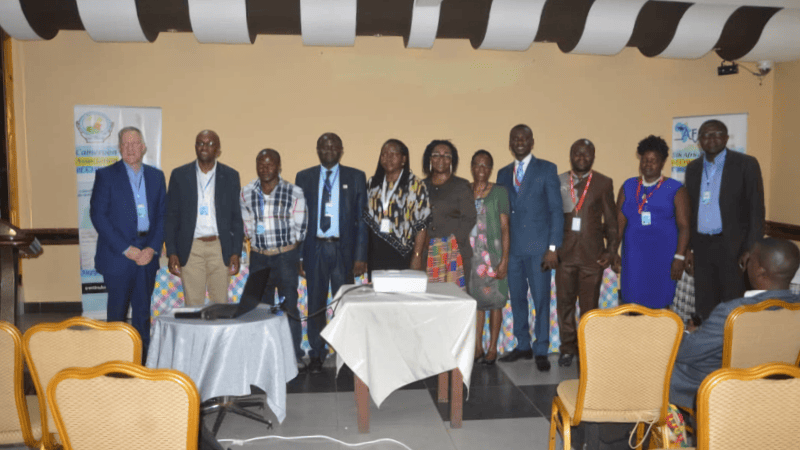
The Cameroon Sepsis Alliance was launched at the African Federation of Critical Care Nurses Conference held in Douala, Cameroon on the 8th of November 2019.

The conference was attended by over 100 critical care nurses from Africa and physicians from Cameroon. The African Sepsis Alliance provided sponsorship for the event and members of the African Sepsis Alliance Executive Committee attended and provided sepsis training. Local speakers also presented sepsis improvement projects and data from Cameroon.

The African Sepsis Alliance looks forward to hearing about the next steps and is committed to working with this multidisciplinary team to improve sepsis prevention, recognition, and management in Cameroon.

Marvin Zick
Emmanuel Nsutebu on BBC's Focus on Africa Regarding Sepsis in Africa
Emmanuel Nsutebu on BBC's Focus on Africa Wide.png

Emmanuel Nsutebu, Chair of the African Sepsis Alliance, was a guest on BBC’s Focus on Africa last Friday.

He was interviewed on the incidence and impact of sepsis in Africa, in light of the Global Burden of Disease Study revealing how the population of low- and middle-income countries, especially in Africa, are particularly at risk to develop or die of sepsis.

You can listen to the segment with Emmanuel below.

Marvin Zick