The Lancet: Sepsis Associated with 1 in 5 Deaths Worldwide, Double Prior Estimates – Children and Poor Regions Hit Hardest
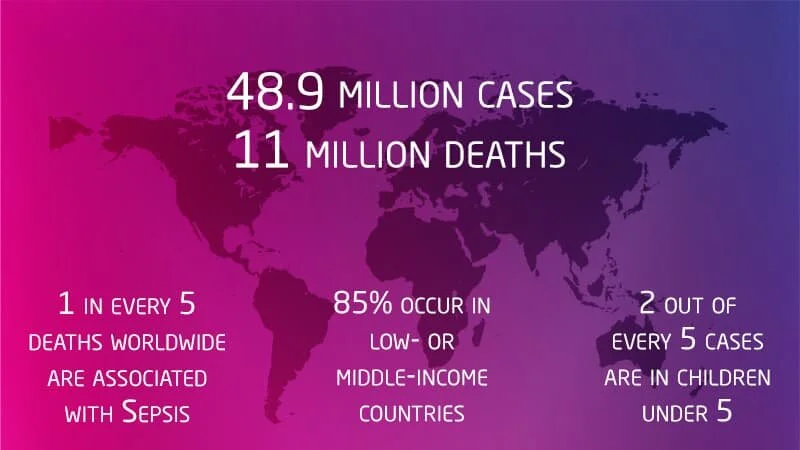
Sepsis 48.9 million cases 11 million deaths wide.jpg

Twice as many people are dying from sepsis worldwide than previously estimated, according to a groundbreaking study by an international team of scientists published in The Lancet today. Among them are a disproportionately high number of children in poor areas.

This study, the most comprehensive clinical study on sepsis to date, revealed 48.9 million cases of sepsis in 2017 and 11 million deaths. 1 in 5 deaths globally are associated with sepsis. Sepsis arises when the body’s response to an infection injures its own tissues and organs. It may lead to shock, multi-organ failure, and death – especially if not recognized early and treated promptly. For sepsis survivors, it can create lifelong disabilities and suffering.

It was found that about 85% of sepsis cases occurred in low- or middle-income countries – especially in Sub-Saharan Africa, the South Pacific islands, and South, East, and Southeast Asia. While sepsis incidence is higher among females than males, more than 40% of all cases are occurring in children under 5.

 
I’ve worked in rural Uganda, and sepsis is what we saw every single day. Watching a baby die of a disease that could have been prevented with basic public health measures really sticks with you. I want to contribute to solving this tragedy, so I participate in research on sepsis. However, how can we know if we’re making progress if we don’t even know the size of the problem? If you look at any top 10 list of deaths globally, sepsis is not listed because it hasn’t been counted.
— Lead Author Kristina E. Rudd, M.D., M.P.H., Assistant Professor at Pitt's Department of Critical Care Medicine
 

For their analysis, Rudd and colleagues leveraged the Global Burden of Disease Study, a comprehensive epidemiological analysis coordinated by the Institute for Health Metrics and Evaluation (IMHE) at the University of Washington School of Medicine. Previous global estimates for sepsis relied upon hospital databases from select middle- and high-income countries, making them severely limited and prone to overlooking the occurrence outside of the hospital, especially in low-income countries.

 
We are alarmed to find sepsis deaths are much higher than previously estimated, especially as the condition is both preventable and treatable. We need renewed focus on sepsis prevention among newborns and on tackling antimicrobial resistance, an important driver of the condition.
— Senior Author Mohsen Naghavi, M.D., Ph.D., M.P.H., Professor of health metrics sciences at IHME at the University of Washington School of Medicine
 

Although the number of cases are much higher than previously estimated, it is important to note that great international and collaborative work has been done worldwide in the past decades to fight sepsis. These efforts are conveyed in the study which examined annual sepsis incidence and mortality trends from 1990 to 2017. The study found that rates are actually decreasing. In 1990, there were an estimated 60.2 million sepsis cases and 15.7 million deaths, compared to the 48.9 million cases and 11 million deaths in 2017. However, the study highlights we still have a long way to go in the global fight against sepsis and we need to continue to build upon the work being done worldwide.

 
This research confirms the urgent need for policymakers, healthcare providers, clinicians, and researchers to work together to implement robust national sepsis strategies, as called for in the 2017 WHO Resolution on Sepsis.
— Konrad Reinhart, President Global Sepsis Alliance
 
Access Full Study
Donate to Support the Fight Against Sepsis in Africa

This research was funded by The Bill & Melinda Gates Foundation, the National Institutes of Health (grants T32HL007287, T32HL007820, R35GM119519), the University of Pittsburgh, the British Columbia Children’s Hospital Foundation, the Wellcome Trust, and the Fleming Fund.

A comprehensive press release, a template for a press release, and a contact person for media inquiries is available on the website of our friends at World Sepsis Day.

Press Release on WSD Website
Marvin Zick
The Lancet: Most Comprehensive Study on Global Prevalence of Sepsis to Be Released on January 16th – Free Livestream Available Here
The Titanic in Belfast, venue of the Critical Care Reviews Meeting 2020

The Titanic in Belfast, venue of the Critical Care Reviews Meeting 2020

The most comprehensive clinical study on sepsis will be released in The Lancet this Thursday, January 16th, 2020 at 18:05h Central European Time. This research contains the most far-reaching and up-to-date data on the incidence and mortality of sepsis worldwide. This study has the potential to change health policy and disease management all around the world, in both developing and under-developed countries.

The results of said study will be presented at the Critical Care Reviews Meeting this Thursday, January 16th, 2020, at 16:35h Belfast Time (17:35h Central European Time, please click here to see to the event in your time zone). There will be a livestream* available (embedded below for your viewing convenience), where you’ll be able to follow along. We urge you to tune in and share the link with your colleagues and other interested parties.

As soon as the presentation has concluded, we’ll share the new numbers on the global burden of sepsis, as well as further documentation.


Livestream


*Livestreams are tricky, especially when being set up in advance. If the link doesn’t work on the day of the event, we’ll make sure to update it promptly, so stay tuned.

Marvin Zick
Study: Sepsis Kills and Is Common in Africa
Banner.jpg

Estimates of the number of sepsis cases in low-income countries are hard to find - it is challenging to identify and confirm the causes of hospital admissions. However, we know that many patients in Africa die of infection. Researchers used routinely collected hospital data from a large teaching hospital in Malawi’s second city (Blantyre) to assess how common sepsis is.

Despite limited diagnostics and information systems, they were able to estimate the rate of cases in the population (which were higher than most estimates from high-income countries), as well as the death rates from sepsis amongst those admitted to hospitals (around one quarter of patients died).

Even with ongoing uncertainty about exact numbers, this work confirms sepsis as a major killer in Africa, and one which demands focused and persistent efforts to improve recognition and treatment. We look forward to seeing the results of other ongoing studies such as the short incidence study of the African Research Collaboration on Sepsis, which will provide more information about the incidence and mortality rates of sepsis in Africa.

Access Study Online
Download Study (PDF)
Marvin Zick
Welcome to the Dark Side - Our Website Now Supports Dark Mode
nightmode Banner.jpg

Our website now supports your operating systems native dark mode - depending on the settings of your device, this website will be either light or dark, making it more user friendly and easier on the eyes when viewed at night. Please note that you need to use a relatively modern browser for this to work.


How to Enable Dark Mode

Enabling dark mode depends on your device. Here is a quick how-to for the most common operating systems:


iOS / iPad OS (iPhone / iPad)

  1. Make sure you have at least iOS 13.0 installed (you can check in Settings -> General -> Info)

  2. Access control center (by swiping down from the top right on Face ID enabled devices or from the bottom up on devices with a home button)

  3. Long press on the brightness slider and tap the dark mode icon at the bottom left


Android (can be different depending on manufacturer)

  1. Make sure you have at least Android 10 installed (you can check in Settings -> About Phone -> Software Information)

  2. Open the settings app

  3. Navigate to Display -> Theme and enable ‘Dark Theme’ (you can also add a tile to the quick settings pull-down menu)


Mac

  1. Make sure you have at least macOS Mojave (10.14) installed (you can check by clicking on the Apple Menu at the top left, and then ‘About this Mac’)

  2. Open the settings app and navigate to General

  3. Use the buttons at the top to switch between a dark and a light appearance (with macOS Catalina (10.15), you can also set this to automatic, based on sunset at your location)


Windows

  1. Make sure you have at least Windows 10 installed (you can check by clicking on the Start Button -> Settings -> System -> About)

  2. Open the settings app and go to Personalization -> Colors

  3. Under ‘Choose your default app mode’, choose Dark


Feedback

We are constantly improving our websites, dark mode is just one of many improvements (although a big one). If you have issues with dark mode, have ideas to improve our websites further, or have other feedback, we’d love to hear from you. If you are interested how we implement dark mode, there is a tutorial on the World Sepsis Day website.

Contact Us
Tutorial on WSD Website
Marvin Zick
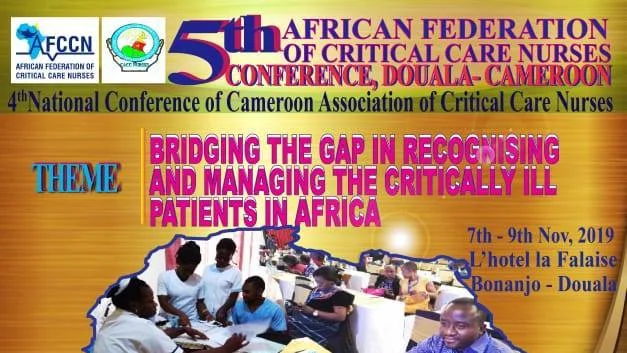
5th African Federation of Critical Care Nurses Conference in Cameroon, November 7th to 9th
AFCCN Conference Cameroon Banner.jpg

From November 7th to November 9th, the African Federation of Critical Care Nurses will host their 5th annual conference in Douala, Cameroon. The theme of the conference is ‘Bridging the Gap in Recognizing and Managing the Critically-Ill Patients in Africa’, with the sub themes “Critical Care in Africa” and “Focus on Sepsis in Africa”.

The congress features many prestigious speakers on the issue, including:

  • Prof. Isabel Coetzee, South Africa

  • Dr. Halima Kabara, Nigeria

  • Prof. Tih Plus, Director CBCHS, Cameroon

  • Prof. Ged Williams, United Arab Emirates

  • Dr. Angreas Matthias, RobinAid, Germany

  • Prof. Konrad Reinhart, Global Sepsis Alliance, Germany

  • Dr. Grace Tadzong Awasum, UCAC, Cameroon

Download Program (PDF)
Learn More and Sign Up


Marvin Zick
Today Is World Sepsis Day: The ASA Is Calling Everybody in Africa to Support World Sepsis Day
WSD_Berlin_Wide Kopie.jpg

Today is World Sepsis Day* - countless events in all parts of the world are raising awareness for sepsis today.

In addition to joining local WSD Events, here are some last minute tips to get involved online or in your institution:


Sign the World Sepsis Declaration

It’s like a petition against sepsis - the more people sign it, the better.

Sign World Sepsis Declaration
 

Follow World Sepsis Day on Social Media

World Sepsis Day is ‘World Sepsis Day’ on Instagram, Twitter, and Facebook - make sure to follow them if you aren’t yet.

WSD Instagram
WSD Twitter
Facebook
 

Post to Your Social Media

Posting to your personal or company social media account raises awareness and helps to save lives. Templates for posts are below - it’s as simple as copying and pasting. All post are 280 characters or less, meaning they work on Twitter effortlessly. Most work best with a WSD Infographic or a Sepsis Awareness Clip…

  • Sepsis is not only a medical #emergency, but also a global health crisis, affecting up to 30 million people a year - September 13th is #WorldSepsisDay. Join us in raising awareness for #sepsis - awareness saves lives! #stopsepsis #savelives

  • September 13th is #WorldSepsisDay - I am/We are participating to raise #awareness for #sepsis and #WorldSepsisDay - what are you doing? Start at www.worldsepsisday.org and help #stopsepsis #savelives

  • September 13th is #WorldSepsisDay! Sepsis is the final common pathway to death from most infectious diseases worldwide - these are the most common #sources of #sepsis.

  • September 13th is #WorldSepsisDay! While everybody can get sepsis, certain people are at an even higher risk. Join us in raising #awareness for #sepsis - awareness saves lives! #stopsepsis #savelives

  • September 13th is #WorldSepsisDay! #Sepsis is a medical emergency and must be treated immediately - if you see 2 or more #symptoms, act immediately. #stopsepsis #savelives

  • September 13th is #WorldSepsisDay! #Sepsis is the most preventable cause of death worldwide. It can be prevented by #vaccination, #sanitation, and #awareness. Everything depends on #you! Join us and #stopsepsis #savelives

  • September 13th is #WorldSepsisDay! #Sepsis does not end at hospital discharge - many #sepsissurvivors face lifelong consequences. Join us to raise awareness! #stopsepsis #savelives

  • September 13th is #WorldSepsisDay! Join our global movement now - it is as easy as downloading our free #infographics or #sepsis #awareness clips from www.worldsepsisday.org/toolkits and posting them from your account. Raising awareness starts with #you. #stopsepsis #savelives

  • I am participating in the #WorldSepsisDay #Photochallenge to raise awareness for #sepsis, a disease affecting 30 million people annually, but often neglected by #policymakers, the general public, and even #healthcare #professionals - join the global movement to #stopsepsis now!

  • September 13th is #WorldSepsisDay - I am participating in the #photochallenge to raise #awareness for #sepsis and #WorldSepsisDay - what are you doing? Start at www.worldsepsisday.org and help #stopsepsis #savelives


Hashtags

The official hashtags for World Sepsis Day are:

  • #WorldSepsisDay

  • #Sepsis

  • #StopSepsis

  • #SaveLives

We explicitly discourage using #WorldSepsisDay2019, #WSD19, or #WSD - if we want to ‘trend’, it is imperative we all use the same hashtags.


Infographics, Sepsis Awareness Clips, and More Free Resources

The WSD Toolkit Section has tons of new material - brand-new Sepsis Awareness Clips (covering symptoms, sources, risk groups, and more in about 30 seconds), posters, new wallpapers, and of course our WSD Infographics in six languages, among many other things - all for free and just two clicks away. You can use the material on social media or anywhere else on the internet, or even print it.
To WSD Toolkit Section
 

WSD Photo Challenge

The WSD Photo Challenge is a quick and easy way to raise awareness for sepsis and show your support for World Sepsis Day - simply print the photo board you like best, write your name on it, take a picture, and upload to Twitter, Instagram, Facebook, LinkedIn, Snapchat, or wherever you like.

Start Here
 

Sepsis in 3 Minutes - Video

The video ‘What Is Sepsis? (Sepsis explained in 3 minutes)’ has been viewed over 200,000 times across all 7 languages - it explains many facets of the complex topic that is sepsis in just 3 minutes.

Please send the video to your loved ones - it could save their life:

English
Spanish
Portuguese
French
Italian
Turkish
German
 

Press Release

A press release as well as a press release template is available for you to customize and disseminate in multiple languages.

WSD Press Release
 

2019 WSD Event Poster

After World Sepsis Day, the 2019 WSD Event Poster will summarize all events that took place around WSD this year - make sure to take some pictures.

On September 14th, there will be a form available here (URL to bookmark: www.worldsepsisday.org/wsdposter) allowing you to upload a short description of your event and the best picture, to be featured on the poster. The poster will be made available for download later this year, and be printed and shipped to you later this year or early next year.

To WSD Event Poster
 

Donate to World Sepsis Day

The GSA, the organization behind WSD, is a small non-profit charity trying to make the world a better place - every cent helps and will be put to good use.

Donate to World Sepsis Day
 

Thank you

Thank you so much for supporting World Sepsis Day - it really means the world to us.

For any questions, please contact them. Due to sheer volume, please allow them a couple of days to respond.

Contact WSD

*at least in our time zone ;).

Marvin Zick
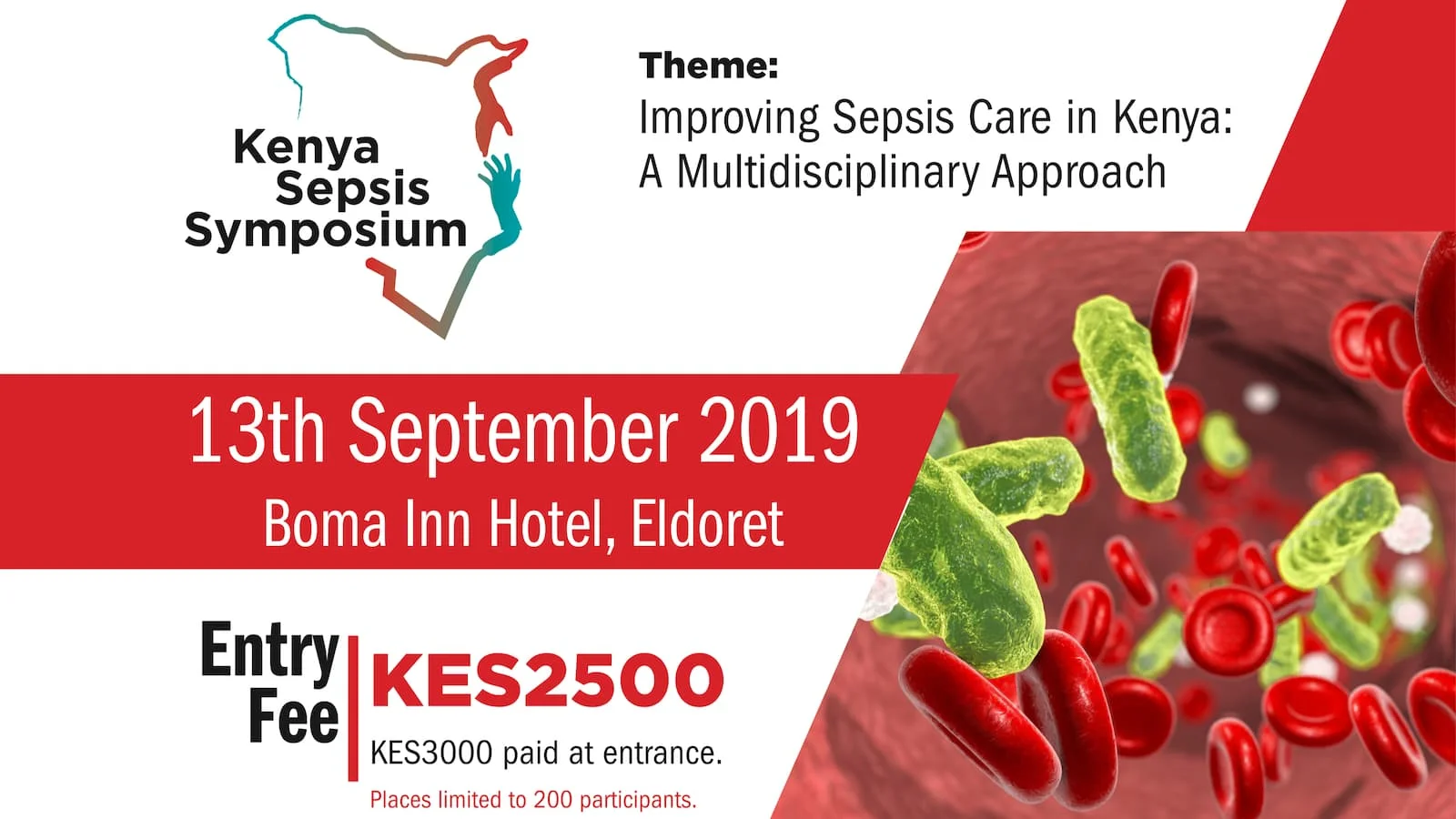
Improving Sepsis Care in Kenya: A Multidisciplinary Approach
Kenya Sepsis Symposium Banner.jpg

Sustainable Development Goal No. 3 (SDG-3) of the World Health Organization seeks to ensure that universal healthcare for all becomes a reality, even in underserved populations. Resource-limitation and lack of protocolized care have been identified as major causes of poor outcomes among the critically-ill in low- to middle-income countries.

The implementation of a standardized approach to sepsis recognition and sepsis management in Kenya is therefore key to improving the quality of care offered to our patients, irrespective of the healthcare facility they are managed in.

For this reason, on the 13th September 2019, the African Sepsis Alliance, in conjunction with the Critical Care Society of Kenya will hold the Kenya Sepsis Symposium in Eldoret, Kenya at a meeting that will attract healthcare workers of all cadres, administrators, and policy makers. We plan to roll out a modified sepsis pathway for low-resource settings for implementation in our healthcare facilities as we officially launch the Kenya Sepsis Alliance to champion sepsis activities locally.

Download Program (PDF)
Marvin Zick
Stimulating Public Discussion on Sepsis in Malawi
Malawi Sepsis Brief Logos.jpg

Sepsis is a life-threatening condition caused by your body’s toxic response to infection. Globally, there are an estimated 30 million cases of sepsis each year, over 7 million of which end in death. In fact, sepsis is the second biggest cause of death in the world and the leading cause of preventable death. Despite being a major killer, sepsis remains broadly unknown by the general public and health care workers and is under-prioritized by decisionmakers.
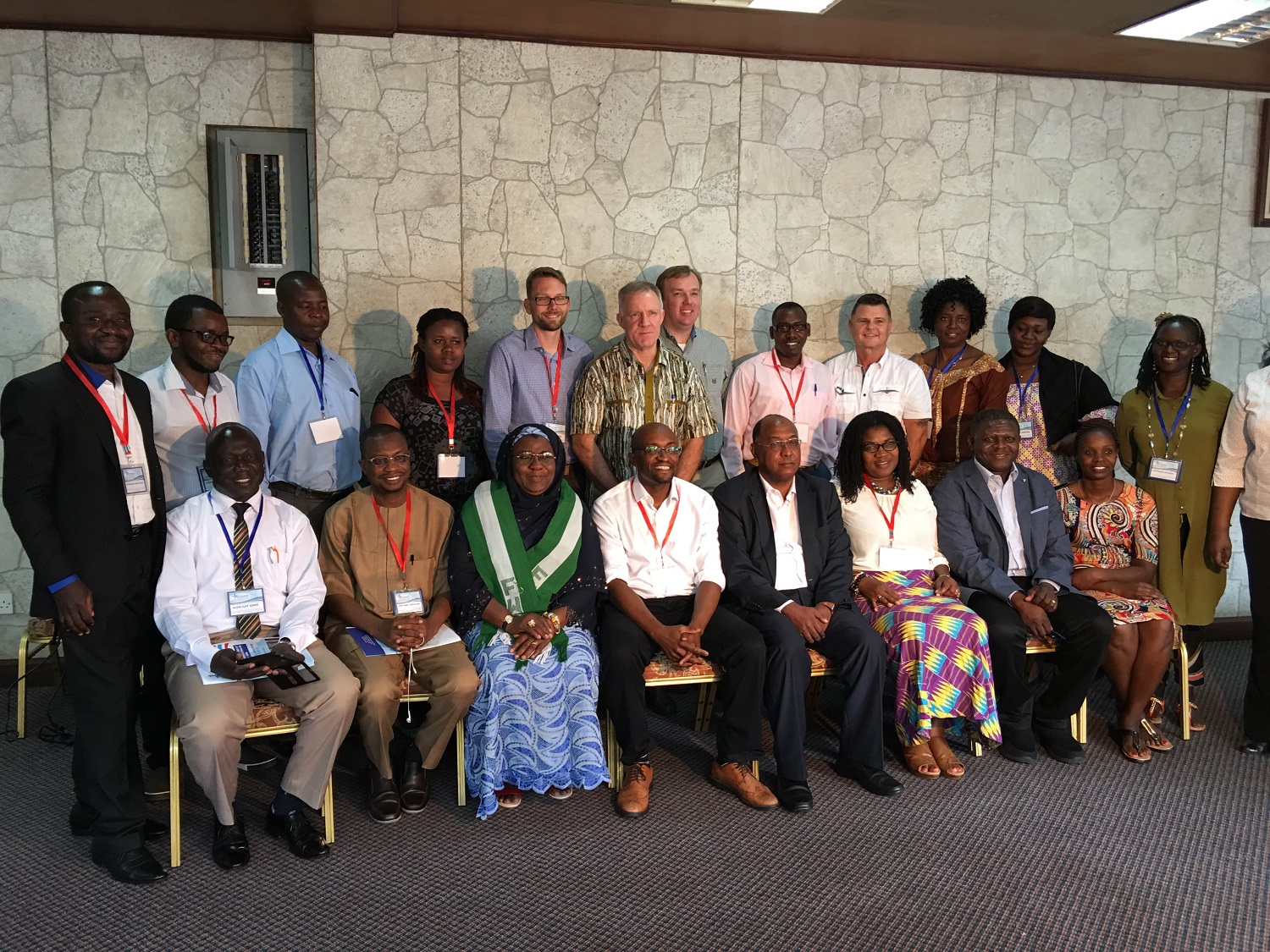
To address this lack of awareness and under-prioritization of sepsis, Dr Paul Kawale, a public health social scientist and Knowledge Translation Scientist at the African Institute for Development Policy (AFIDEP), was interviewed by journalist Meclina Chirwa in a live broadcast on Timveni Radio in Malawi. Dr Kawale is project manager on the African Research Collaboration on Sepsis (ARCS). The interview was designed to spark dialogue on sepsis in an effort to bring greater awareness to the issue. In his interview, Dr Kawale informed the public on what sepsis is, its burden on society, and why it is critical to prevent sepsis and save lives. The interactive nature of the interview allowed for the general public to call in, to ask questions, and seek clarifications about sepsis. This engaging interview marked an effective way of bringing awareness to an under-appreciated and complicated health issue like sepsis. Below is an overview of key messages that arose from the interview.


Interview: What is Sepsis?

Dr Kawale explained sepsis as when the microorganisms (bacterium) that fight diseases in our bodies have multiplied and spread throughout the body causing harm. This may lead to other body parts to stop functioning and many times causes death. Sepsis is caused by viruses, bacteria or fungi that can come from unhygienic water and food. Other ways of transmission include contraction from animals or other people, and unsanitary conditions in hospitals as well as in homes.


Interview: Public Queries

After this introductory conversation, the phone line was opened to the audience. People called in from across the country, including from Liwonde in Machinga District, Santhe in Kasungu District, Mvera in Dowa District, Lilongwe City’s Area 24, Mchinji District, Sipwa in Nkhata Bay District, Dedza District and Karonga District. A majority of the callers expressed having little or no knowledge of sepsis and their questions included:

  • Has there ever been a sepsis case in Malawi?

  • How widespread is sepsis in Malawi?

  • Which groups of people are affected by sepsis?

  • How can sepsis be prevented?

  • What is the connection between AFIDEP and sepsis?

Dr Kawale’s responses to the above questions included noting that everyone is susceptible to sepsis, but vulnerable populations like children and pregnant women are at high risk. Dr Kawale said the best way to prevent sepsis is by preventing infection in the first place. An effective way of controlling infection includes following sanitary practices, for example having good hygiene in hospitals, among health workers and in food handling. Vaccinations can also prevent infection of specific illnesses, like measles. Dr Kawale concluded the interview by reminding the audience that sepsis is killing a lot of people, even in Malawi, but it is preventable. Its massive human and financial costs can be avoided through more research, funding and awareness.


AFIDEP’s Work to Address Sepsis

AFIDEP, together with partners including the Liverpool School of Tropical Medicine, Malawi-Liverpool-Welcome Trust, College of Medicine, the Queen Elizabeth Central Hospital and the African Sepsis Alliance, are looking to tackle sepsis through a consortium called the African Research Collaboration on Sepsis (ARCS). ARCS is being implemented in Malawi, Uganda and Gabon, in order to understand how widespread sepsis is and to identify ways to improve its diagnosis and treatment in our health systems. AFIDEP’s work on ARCS seeks to put sepsis on the national and regional policy agenda. This requires greater awareness on what sepsis is and why it needs to urgently be addressed among populations like the public, health practitioners and decision-makers. The interview demonstrated that although the general public has limited knowledge on sepsis, there is demand to better understand it and how it can be prevented in Malawi. The work that ARCS and AFIDEP are doing is a huge step towards sparking dialogue and generating evidence to address sepsis in Malawi and beyond.


Videos: Sepsis Explained in Three Minutes

Marvin Zick
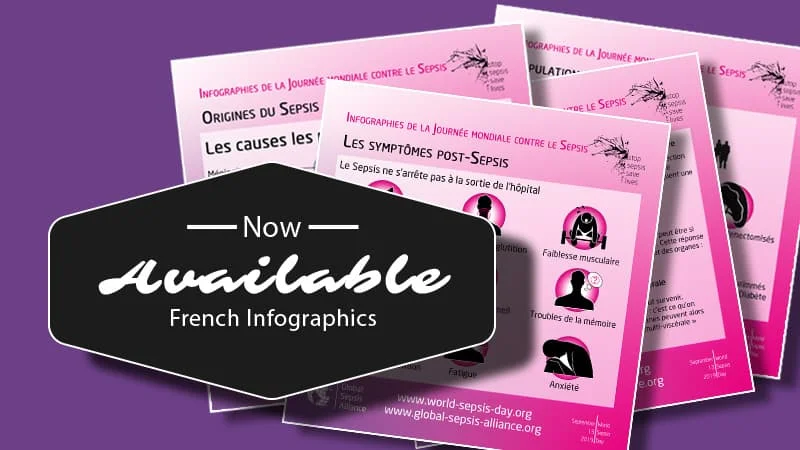
World Sepsis Day Infographics Now Available in French

Our friends from the Global Sepsis Alliance have released their World Sepsis Day Infographics in French today, as a free download in their toolkit section, next to English, Spanish, and German.

Given many parts of Africa speak French, please feel free to download them and use them wherever you see fit, for example on social media, printed at your events, or everywhere in between.

There are a total of 21 infographics, nine on sepsis itself, ranging from symptoms, sources, prevention, risk groups, to physiology, post-sepsis symptoms, and more. Additionally, there are two on hand-washing, and ten more pointing out the relationship to other World Health Days, such as World Malaria Day, World AIDS Day, World Immunization Week, and more.

The infographics are available as images (.png), as well as optimized for print (.pdf). If you find any translation mistakes or have any other feedback, please let our colleagues from World Sepsis Day know. Please join us in spreading these infographics to bring sepsis awareness to all parts of Africa.

Go To WSD Toolkit Section Now
Marvin Zick
Fact Sheet on Sepsis in Africa
© Crown Copyright 2014, Carl Osmond

© Crown Copyright 2014, Carl Osmond

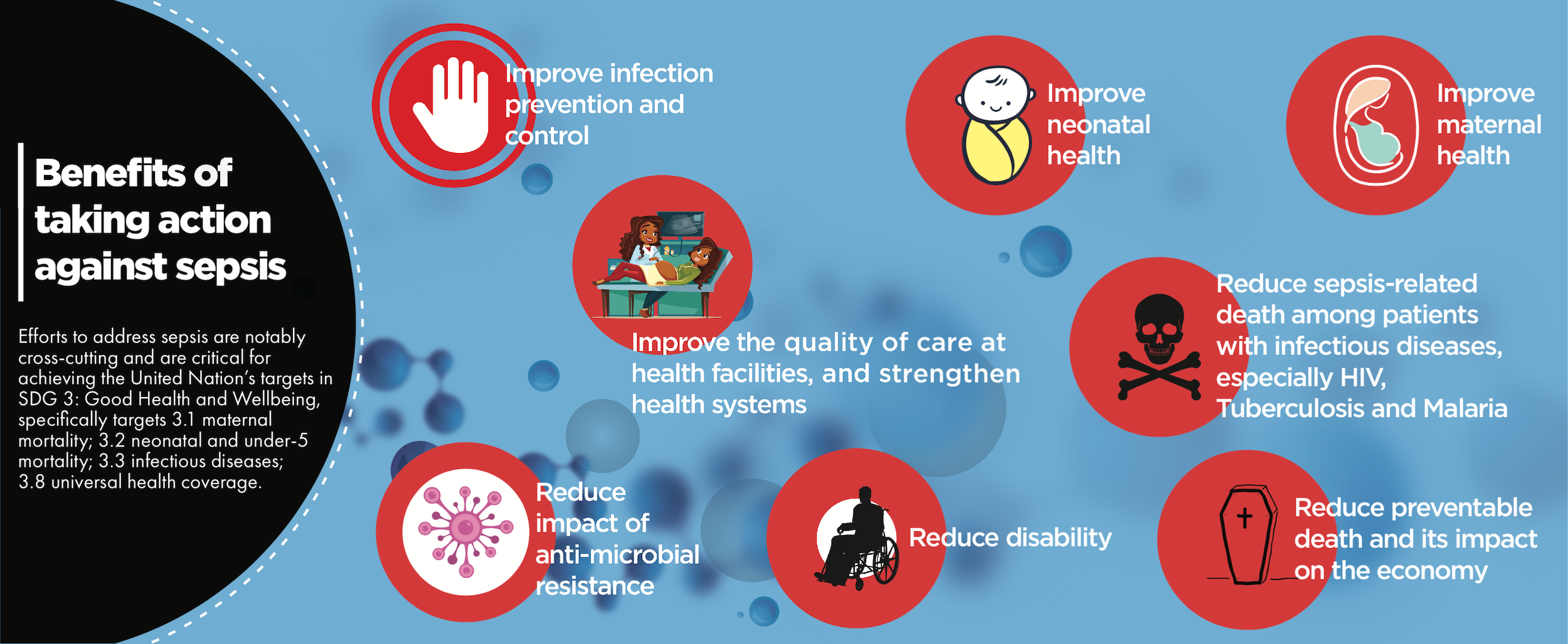
The African Research Collaboration on Sepsis (ARCS), African Sepsis Alliance (ASA), and African Institute for Development Policy (AFIDEP) have joined forces to publish a sepsis fact sheet for stakeholders in Africa.

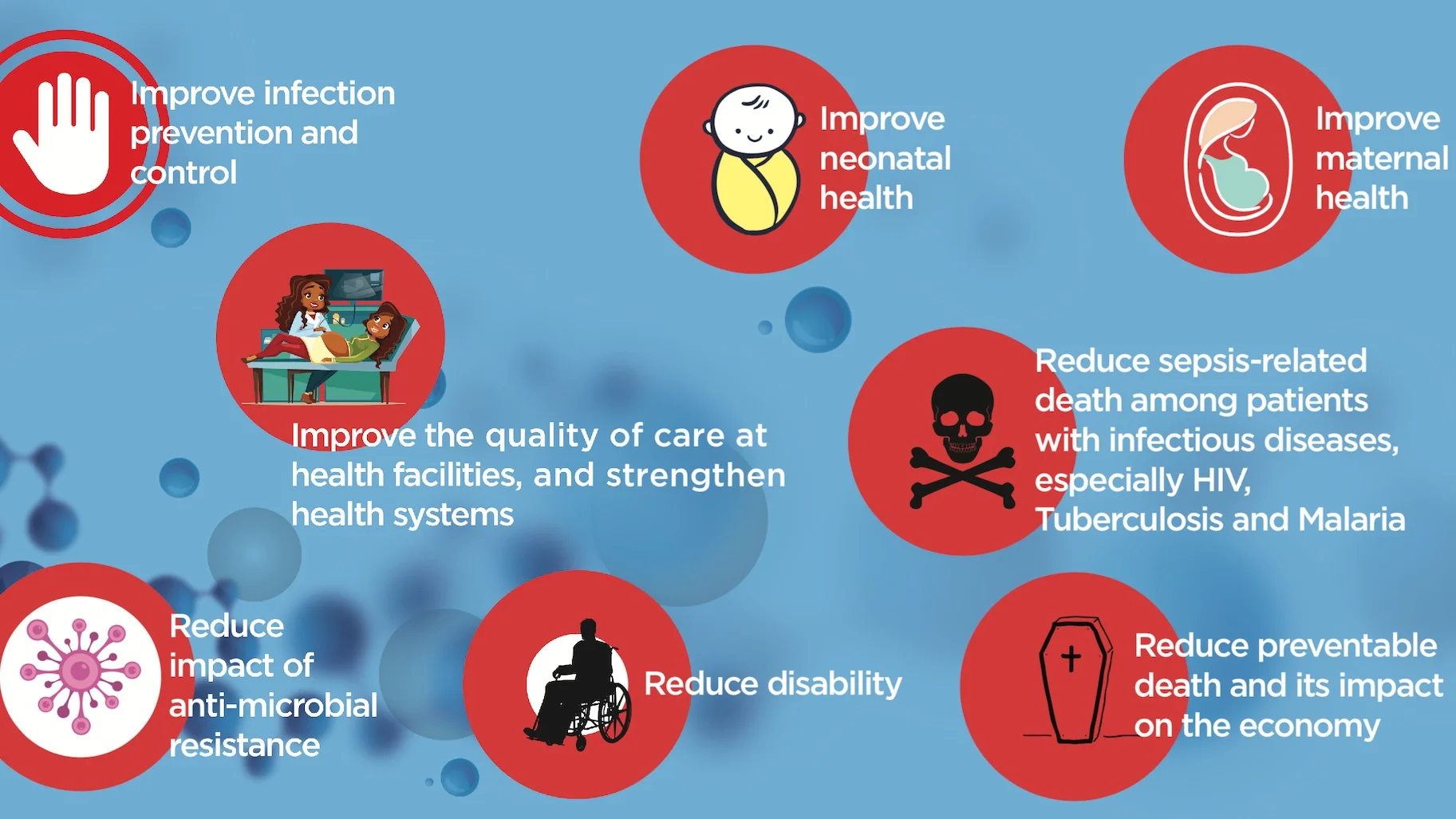
The document highlights what sepsis is,  causes, burden and benefits of addressing sepsis in Africa. Africa has the youngest population in the world. It also has the highest burden of disease of infections. Everybody in Africa deserves to be able to survive sepsis. Please download and share the fact sheet with healthcare workers, stakeholders, and policy makers.

 
Download Fact Sheet (PDF)
 

We also recommend this video by our friends from the World Sepsis Day Movement, explaining sepsis in 3 minutes:

Marvin Zick
2nd African Sepsis Symposium Available to View on MedReach

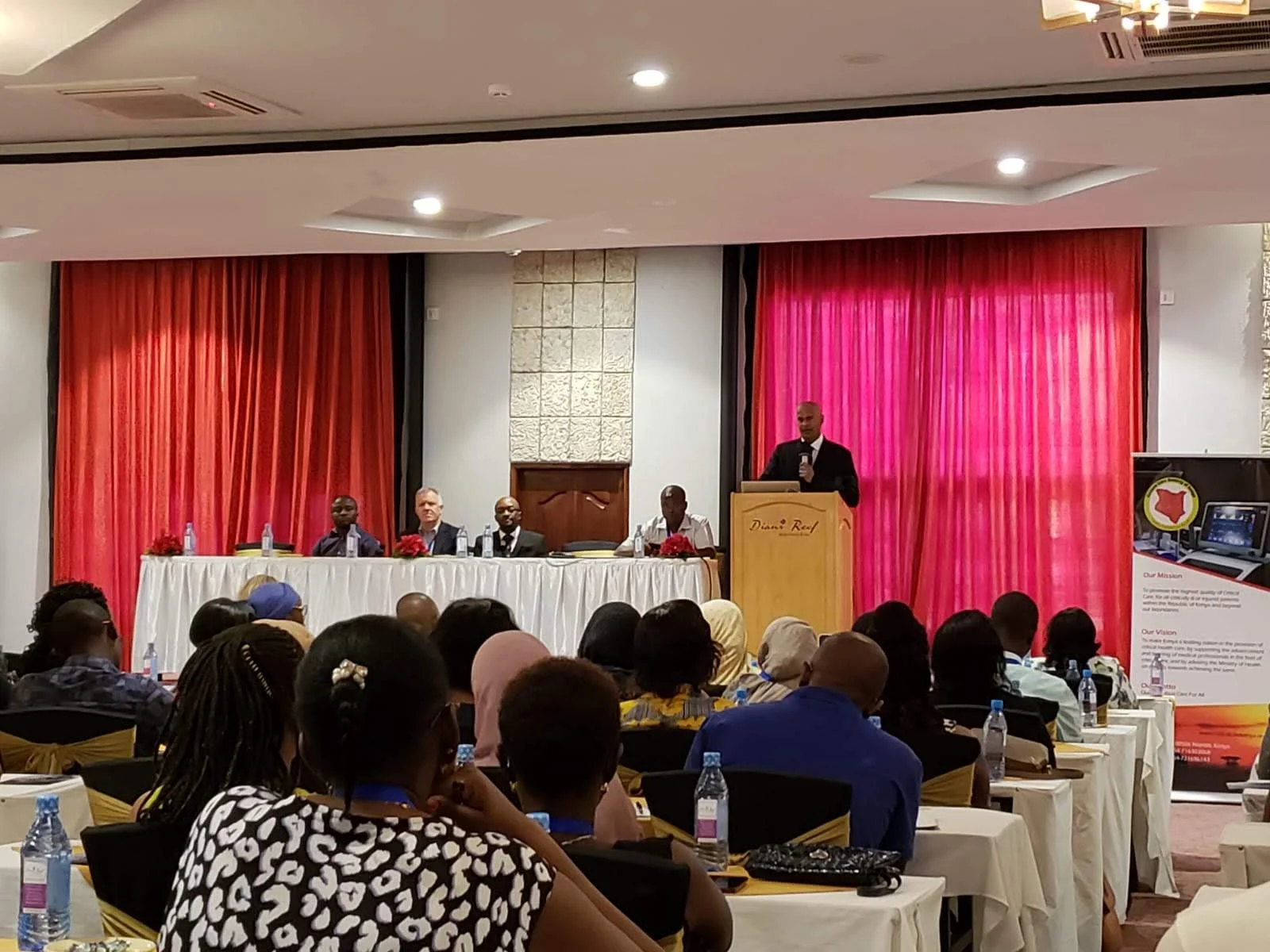
The 2nd African Sepsis Symposium was held on the 4th of October 2018 in Mombasa, Kenya. The symposium was organized by the African Sepsis Alliance, the Critical Care Society of Kenya, and the African Federation of Critical Care Nurses.

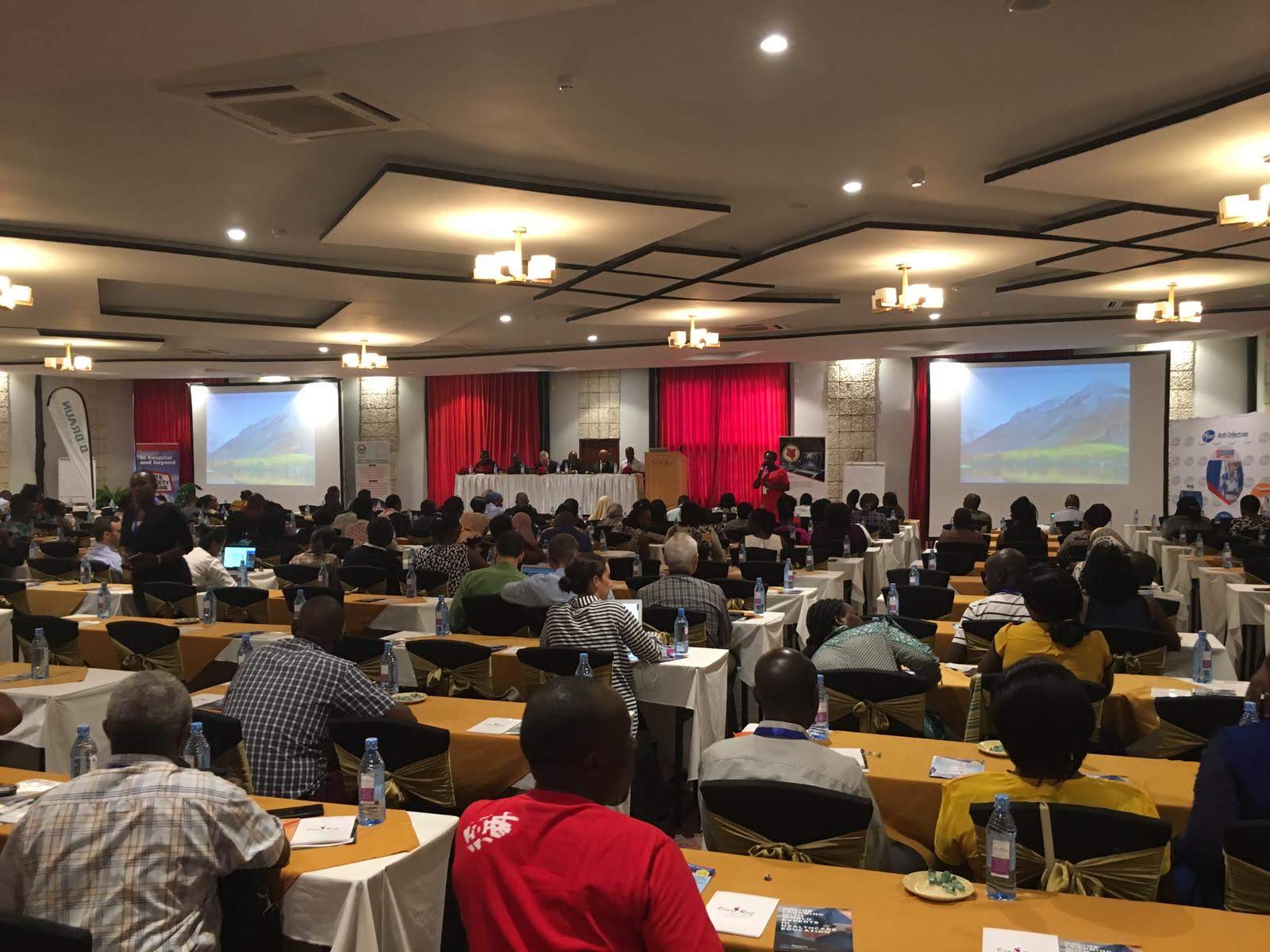
Presenters included international sepsis experts as well as local experts involved in antibiotic stewardship, improving diagnosis, and infection control. There were over 300 participants - predominantly critical care and senior nurses - from over 10 African countries. Participants received training about prevention, recognition, management, and post-discharge care for children and adults in Africa.

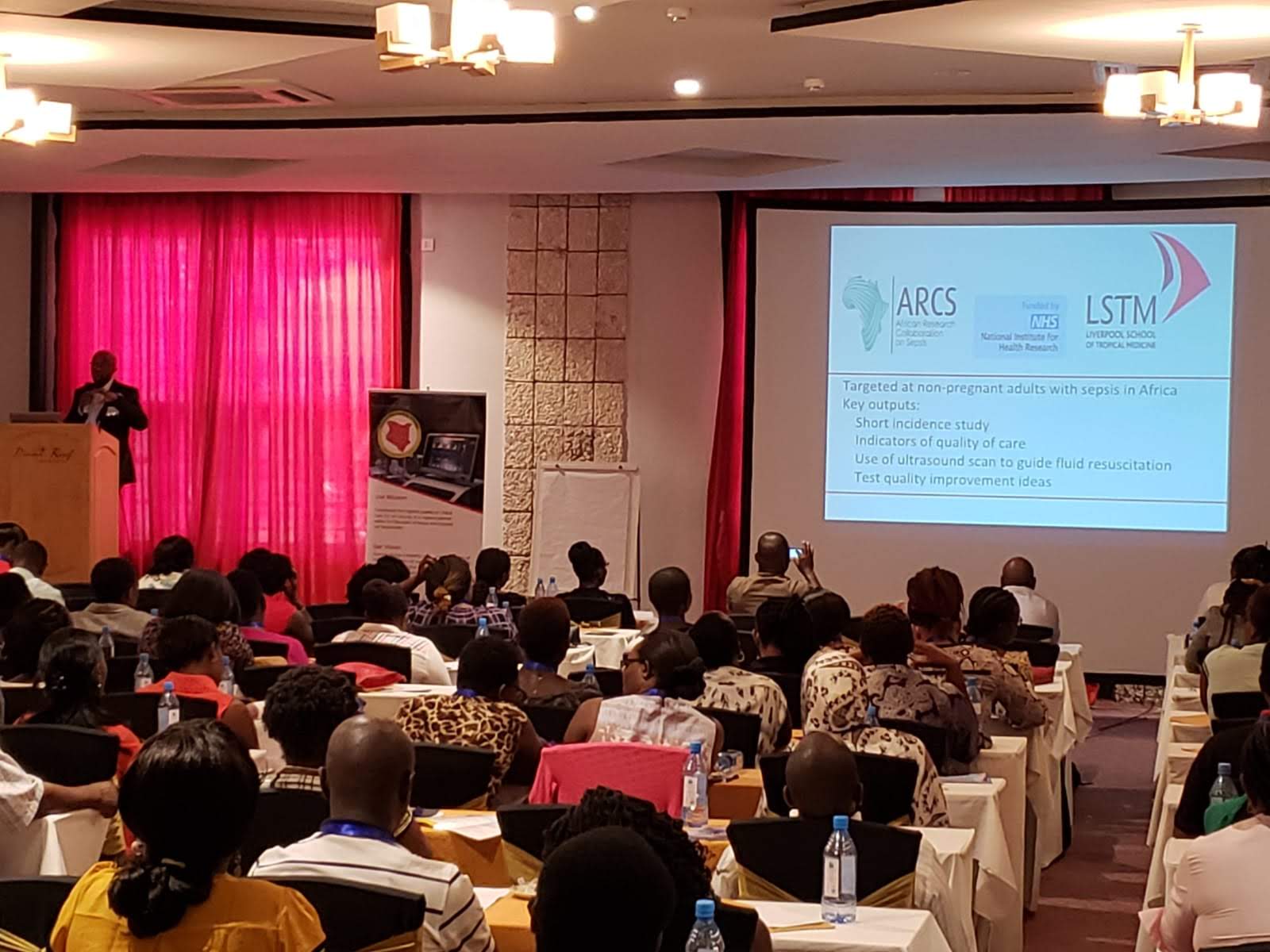
The African Research Collaboration on Sepsis (ARCS) was also advertised and discussed. ARCS is a newly launched collaborative, led by the Liverpool School of Tropical Medicine and funded by the National Institute for Health. It focuses on sepsis research in non-pregnant adults and will involve a short incidence study, development of quality indicators for critical illness and sepsis in Africa, as well as providing opportunities for training in research.

The Centre for International Child Health (part of BC Children’s Hospital) ran a paediatric sepsis collaborative workshop to demonstrate tools used to improve the quality of care in low- and middle-income countries and how data from these tools can be shared to improve the overall burden of sepsis.

MedReach filmed the entire symposium and has made the symposium available to clinicians from low- and middle-income countries free of charge via their online platform.

We would like to thank all our supporters and sponsors who made this event a great success. The symposium poster and program can be downloaded below.

Everybody in Africa deserves to be given a chance to survive sepsis.

Access the Recording
Download Program (PDF)
Marvin Zick
Participate in the GSA Global Quality Measures Survey
GSA Global Quality Measures Survey_Banner.png

Despite a recent resolution by the WHO and increasing worldwide recognition that sepsis poses a major global health threat, our knowledge of what sepsis surveillance, treatment, quality improvement (QI), and reporting practices look like across the world is surprisingly limited and fragmented. As a community of stakeholders from policy makers to healthcare providers, we need to know more about how these programs and practices vary between regions, between patient populations, and between healthcare settings.

The Global Sepsis Alliance is conducting a global survey, which will operate through 2 arms.
The first arm is a targeted survey that will be distributed to the head of every national government health agency in the UN member states. The second arm is a publicly available survey that is targeted to various healthcare providers, health administrators, and government health officials across the world. We aim for participation that includes every UN member state, from diverse types of healthcare providers, and from diverse patient populations.

The survey begins by clarifying respondents’ roles to ask only the questions that are relevant to them. The following 15-20 questions should take about 7-9 minutes to complete. All responses are anonymous, and no data will ever be released in a manner that would allow any specific healthcare institution to be singled out.

Please make the voice of Africa heard and participate in the survey now:

More information and participate
Marvin Zick
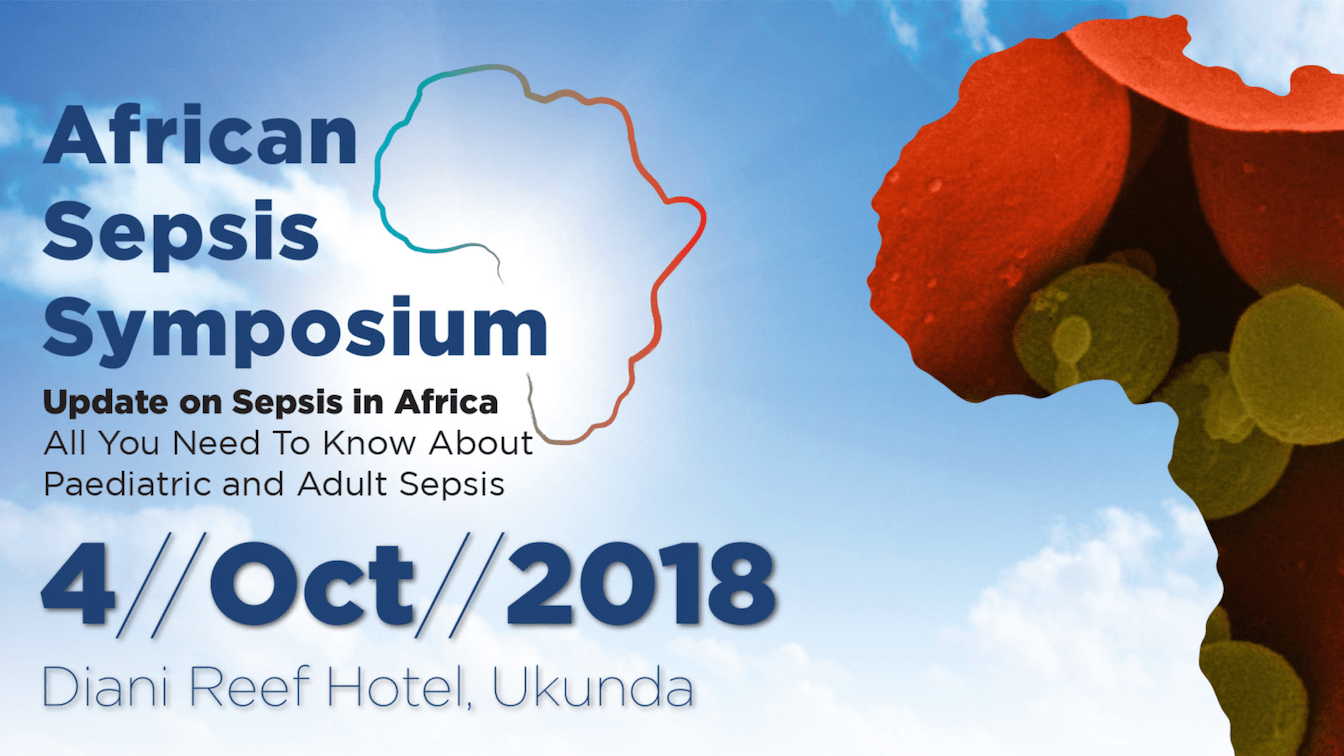
2nd African Sepsis Symposium in Kenya in October
African Sepsis Symposium Banner.png

On October 4th, 2018, the African Sepsis Alliance will hold the 2nd African Sepsis Symposium in Diani, Kenya, in collaboration with the African Federation of Critical Care Nurses and the Global Sepsis Alliance. The African Sepsis Alliance is a collaboration of over 15 African countries and international professional bodies working together to prevent sepsis and improve care in Africa. Everybody in Africa has a right to survive sepsis and we provide leadership to reduce mortality and suffering for sepsis in Africa. Africa bears a disproportionate burden of preventable deaths from sepsis globally.

Over 400 local and international experts, healthcare workers, and policy makers are expected to attend the symposium in Diani. Participants will review and discuss sepsis prevention, recognition, and management efforts in Africa. This years’ multidisciplinary symposium will focus on paediatric sepsis, antimicrobial resistance, and stewardship. The Kenya Sepsis Alliance will also be launched at the event. The exciting conference program can be found below. If you would like to attend or join our growing list of prestigious sponsors for the symposium, please contact Wangari Siika, Chair of the local organizing committee, or Emmanuel Nsutebu, Chair of the African Sepsis Alliance. Please join us and help make a difference in Africa!

Download Program (PDF)
Marvin Zick
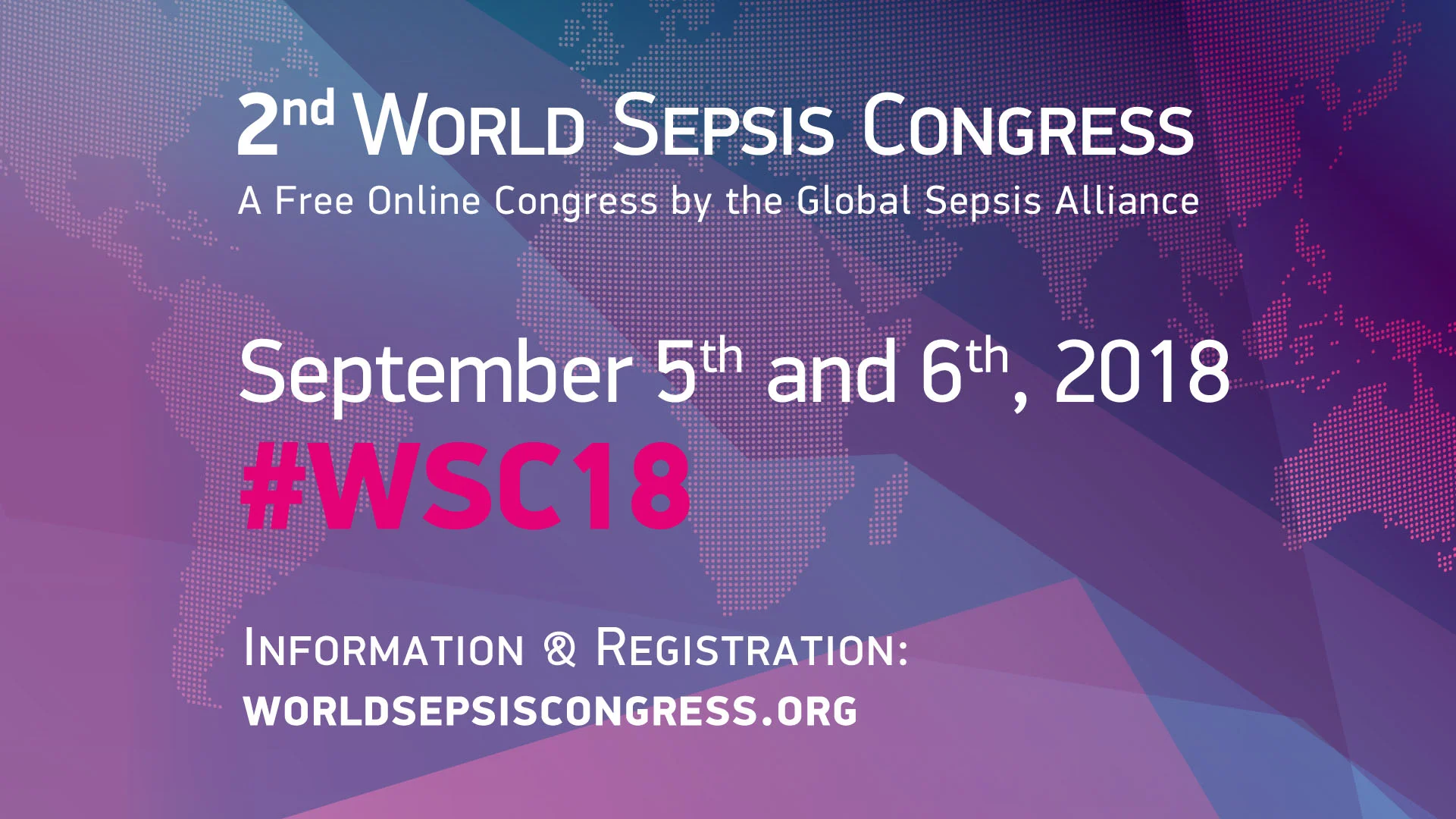
2nd World Sepsis Congress: A Free Online Congress by the GSA on September 5th and 6th, 2018
WSC2018_Keyvisual_WidescreenBanner.jpg

On September 5th and 6th, the Global Sepsis Alliance, initiator of World Sepsis Day and World Sepsis Congress, will host the 2nd World Sepsis Congress. The 2nd WSC is a free online congress in which over 100 renowned experts from all around the world will give presentations on all aspects of sepsis, bringing knowledge about sepsis to all parts of the world. The congress is a great opportunity to learn about sepsis from the comfort of your home or office. The congress will be held in English and is open to everyone with an internet connection.

More information and free registration
Marvin Zick
International Sepsis Symposium in Glasgow on September 27th, 2018
ISS.png

On September 27th, the 'International Sepsis Symposium' will be held in Glasgow, Scotland. An incredible line-up of sepsis experts from around the world will give short, punchy talks on a variety of sepsis topics, to aid the practicing clinician.

£10 from every ticket sale is being donated to the African Sepsis Alliance - a huge thanks to the organizers for recognizing the urgency to fight sepsis in Africa and supporting us directly. 

The early-bird tickets have been extended until the end of April and 6 CPD points have been applied for from The Royal College of Physicians.

Download Program
Get Tickets
Marvin Zick
It’s in Your Hands – Prevent Sepsis in Healthcare
itsinyourhands.jpg
 

Let’s mobilize healthcare workers, policy & decision-makers, patients, and relatives to join the Campaign.

The WHO calls on health facilities to prevent healthcare-associated sepsis by improving hand hygiene and infection prevention and control (IPC). Sepsis is estimated to affect more than 30 million patients every year worldwide. At the Seventieth World Health Assembly in May 2017, Member States adopted a resolution on improving the prevention, diagnosis and treatment of sepsis.

Healthcare-associated infections are common and are a risk factor for developing sepsis. However, most of these infections are preventable. Effective hand hygiene plays a key role. On World Hand Hygiene Day (May 5th 2018), the focus for everyone should be on prevention of sepsis in healthcare.

The African Sepsis Alliance is partnering with the WHO to raise awareness about antimicrobial stewardship, antimicrobial stewardship, and hand washing in Africa..

Join us in preventing sepsis in Africa.


Resources May 5th

Please find new May 5th resources, including 2018 campaign posters (one for a general advocacy and the other 5 for different target groups, highlighting the call to action to them which you can be placed around health facilities).

Map of Health Facility Registrations

The map of health facility registrations has been updated recently.

Register your Organization

Please register your organization and encourage more health facilities to sign up.

Advocacy Slide Set

The updated the advocacy slide set (English version) as a PDF, please use some or all of this in any presentations you are giving as part of your campaign.

Campaign Messages in More Languages

You can find the campaign message in languages other than English through the links on this page.

Marvin Zick
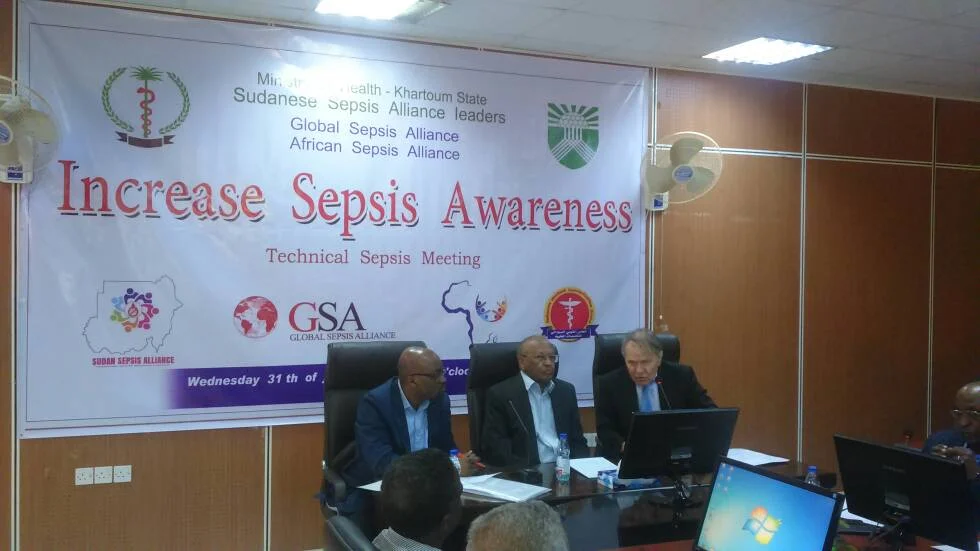
International Sepsis Conference in Sudan & Khartoum Resolution
Khartoum_wide
 

The Sudan Sepsis Alliance hosts International Sepsis Conference and is given a prestigious GSA Award by the Global Sepsis Alliance.

The Khartoum resolution was produced - Sudan has agreed to host a conference of African Ministers of Health to discuss a joint strategy for Africa. African countries are urged to develop a similar program to tackle sepsis.

Over 700 doctors, nurses, pharmacists, allied health professionals, and students met at the international sepsis conference organised by the Sudanese Sepsis Alliance on February 1st, 2018, in Khartoum. Participants discussed the challenges and opportunities for improving sepsis care in Sudan and Africa. They also discussed achievements and what needs to be done to improve prevention, recognition, treatment, and rehabilitation. A preconference meeting was also held on the January 31st, 2018, and chaired by Professor Mamoun, Khartoum State Minister of Health.

Most of the participants were from Sudan, however, other African countries such as Nigeria, Djibouti, and Kenya were represented. Representatives from the Global Sepsis Alliance and the African Sepsis Alliance were also present.

We would like to highlight the following:

  1. The Sudanese Sepsis Alliance was given a prestigious GSA Award. This award recognises all the work they have done to improve sepsis prevention, recognition, and treatment in Sudan.
  2. A Khartoum resolution was agreed to arrange a conference of African Ministers of Health to develop a joint strategy and plan for sepsis improvement in Africa. Professor Mamoun agreed to sponsor and host the conference within 12 months and in collaboration with the African Union.
Download Khartoum Resolution (PDF)

Professor Konrad Reinhart, Chair of the Global Sepsis Alliance, said “This is a great achievement for Sudan and the African Continent. Sudan is leading the world in sepsis improvement and other African countries should learn from it”

We urge you to sign the Kampala declaration and support sepsis improvement in Africa. Everybody in Africa has a right to survive sepsis.

Sign Kampala Declaration (change.org)
Download Full Press Release
Marvin Zick
Unveiling the Logo of the African Sepsis Alliance
ASALogo

Today, the African Sepsis Alliance is incredibly excited to unveil its logo. 
The colorful circle of people emphasizes the amount of teamwork and dedication necessary to free Africa of sepsis. If you want to join our fight against sepsis, please sign the Kampala Declaration or get in touch

We are looking forward to hear what you think about the logo - please give us feedback on Facebook or get in touch to let us know. 

Marvin Zick
Sign the Kampala Declaration and Support the Fight Against Sepsis in Africa
SignKampalaDeclaration
 

On October 20th, representatives from the African Sepsis Alliance, the Global Sepsis Alliance, the African Federation of Critical Care Nurses, and the World Federation of Critical Care Nurses came together in Kampala, Uganda, to formulate demands and steps necessary to fight the global silent killer sepsis in Africa. 

We urge you to commit your organization or yourself to the enclosed pledge and, in so doing, join the body of enlightened people and organizations from Africa and around the globe dedicated to reducing the health, economic, and human burden of sepsis. Please sign the Kampala Declaration and contribute to saving millions of lives every year.

Download the Kampala Declaration now (PDF, 0.3 MB).
Please click here to sign the Kampala Declaration on change.org now.
Download the official pledge to sign the declaration (PDF).


Marvin Zick